WINTER WEATHER AWARENESS DAY IN TEXAS – THURSDAY, NOVEMBER 13TH
The National Weather Service (NWS) and the State of Texas Governor’s Division of Emergency Management have designated November 13th as Winter Weather Awareness Day in Texas. This is an annual safety campaign designed to promote winter weather awareness and safety.
Every year, West Texas is affected by winter weather, with at least one winter storm impacting the area in a typical year. Across the United States, 41 people die due to winter weather, and each year, dozens of
fatalities can be attributed to exposure to cold. Add to that number, vehicle accidents and fatalities, fires due to dangerous use of heaters, and other winter weather fatalities, and you have a significant threat.
The keys to avoiding serious injury or death during a major winter storm include knowing the safety rules to survive cold weather, knowing how to stay informed of forecasts and warnings for winter storm conditions, and preparing ahead of time to handle difficult travel conditions and other exposure to harsh cold weather conditions.
In support of Winter Weather Awareness Day, the NWS Office in Lubbock will broadcast a series of winter weather safety messages on NOAA Weather Radio All Hazards during late November and early December.
- Heavy snow can immobilize a region and paralyze a city – stranding commuters, closing airports, stopping the flow of supplies, and disrupting emergency and medical services. Accumulations of snow can cause roofs to collapse and knock down trees and power lines.
- Exposure to cold can cause frostbite or hypothermia and become life-threatening. Infants and elderly people are most susceptible. What constitutes extreme cold varies in different parts of the country.
- Frostbite is damage to body tissue caused by extreme cold. A wind chill of -20° Fahrenheit (F) will
cause frostbite in just 30 minutes.
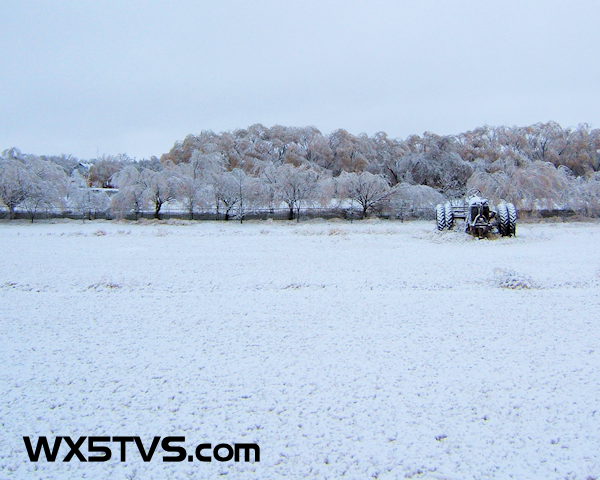
- Heavy accumulations of ice can bring down trees and topple utility poles and communication towers. Ice can disrupt communications and power for days while utility companies repair extensive damage. Even small accumulations of ice can be extremely dangerous to motorists and pedestrians. Bridges and overpasses are particularly dangerous because they freeze before other surfaces.
- At home, primary concerns are loss of heat, power, and telephone service, and a shortage of supplies if storm conditions continue for more than a day. While traveling, motorists could become stranded, and be susceptible to extreme cold.
- NOAA Weather Radio is the best means to receive winter weather warnings, and all types of
critical weather information from the National Weather Service. The National Weather Service continuously broadcasts warnings and forecasts that can be received by NOAA Weather Radios, which are sold in many stores. The average range of reception is 40 miles, depending on topography. Citizens should purchase a radio that has a battery back-up and a Specific Area Message Encoder feature, which automatically alerts the listener when a watch or warning is issued for a particular county.
Winter Weather Web Links –
Information from the Lubbock, TX NOAA National Weather Service Office:
http://www.weather.gov/lubbock
NWS Lubbock Winter Weather Awareness Page
Detailed safety information concerning winter weather and winter weather preparedness:
http://www.nws.noaa.gov/om/winter/